Foundations and model internals
Start with model requests and structured output. Build a small transformer, then inspect inference, KV caches, scheduling, and capacity.

AI agent engineering courses
I built aiml.sh to teach AI engineering through working examples. Start with model calls and tool calling, then build agents and RAG applications, connect tools with MCP, and evaluate the results with runnable Python code and tests.
The catalog also covers model internals, inference engineering, context and memory, agent harnesses, and MLOps. Courses are free to read, with no sign-up.
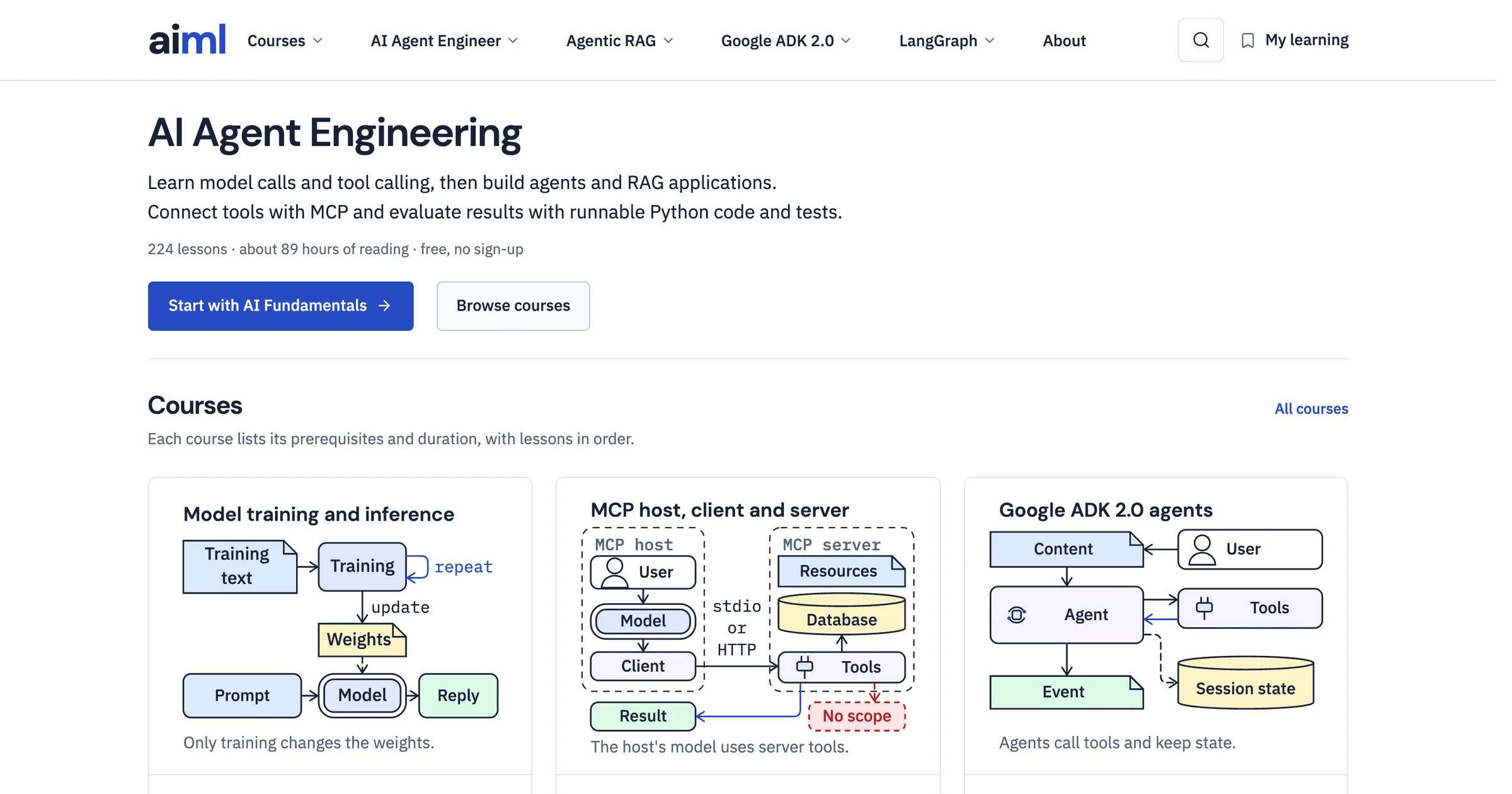
Reading time is estimated. Running examples and completing labs takes additional time.
Courses list their prerequisites and reading duration, with lessons in order. Pick a subject below or browse the courses on aiml.sh.
Start with model requests and structured output. Build a small transformer, then inspect inference, KV caches, scheduling, and capacity.
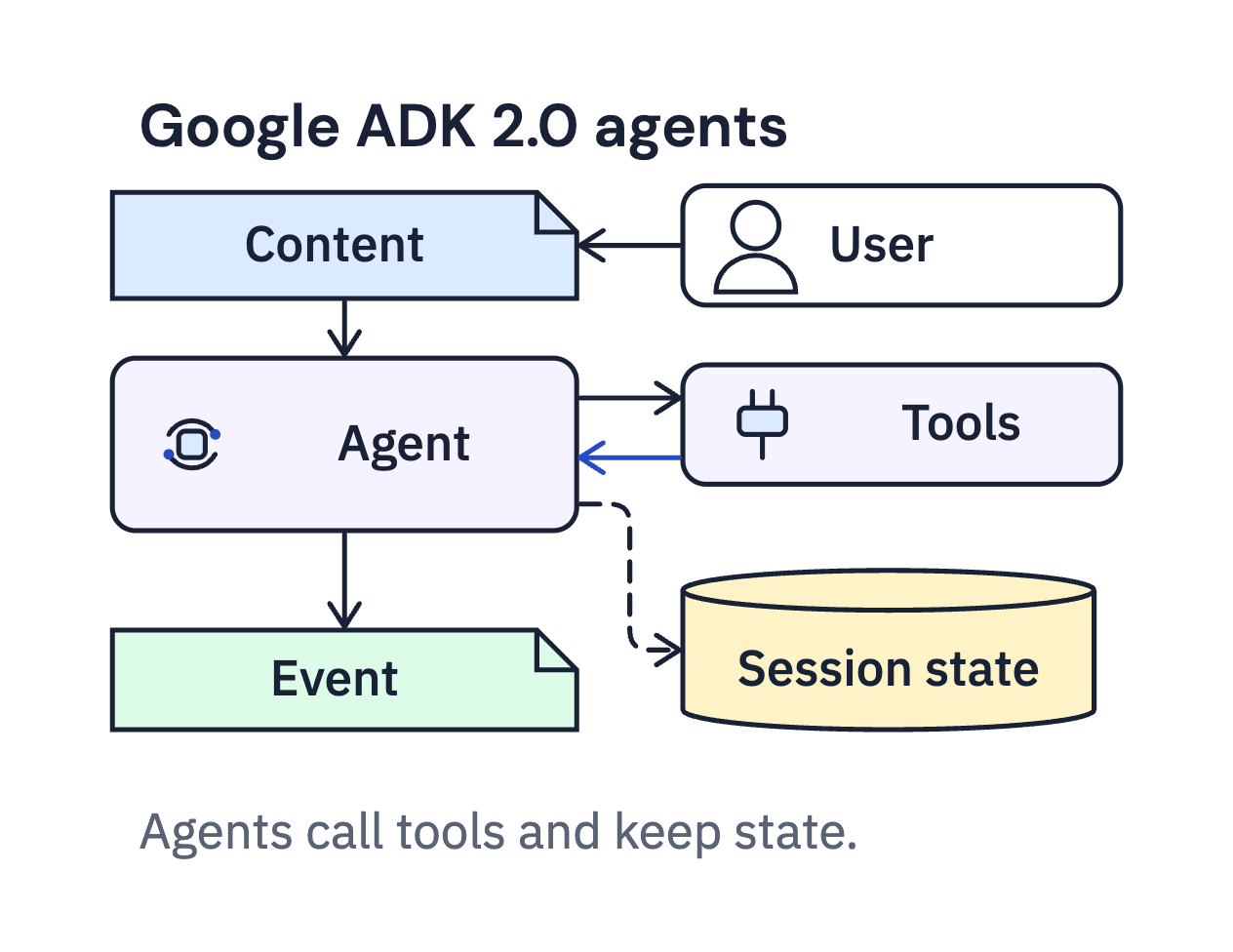
Build agents with tools, state, and multi-step workflows. Connect services, deploy an agent, or stream live audio and screen frames.
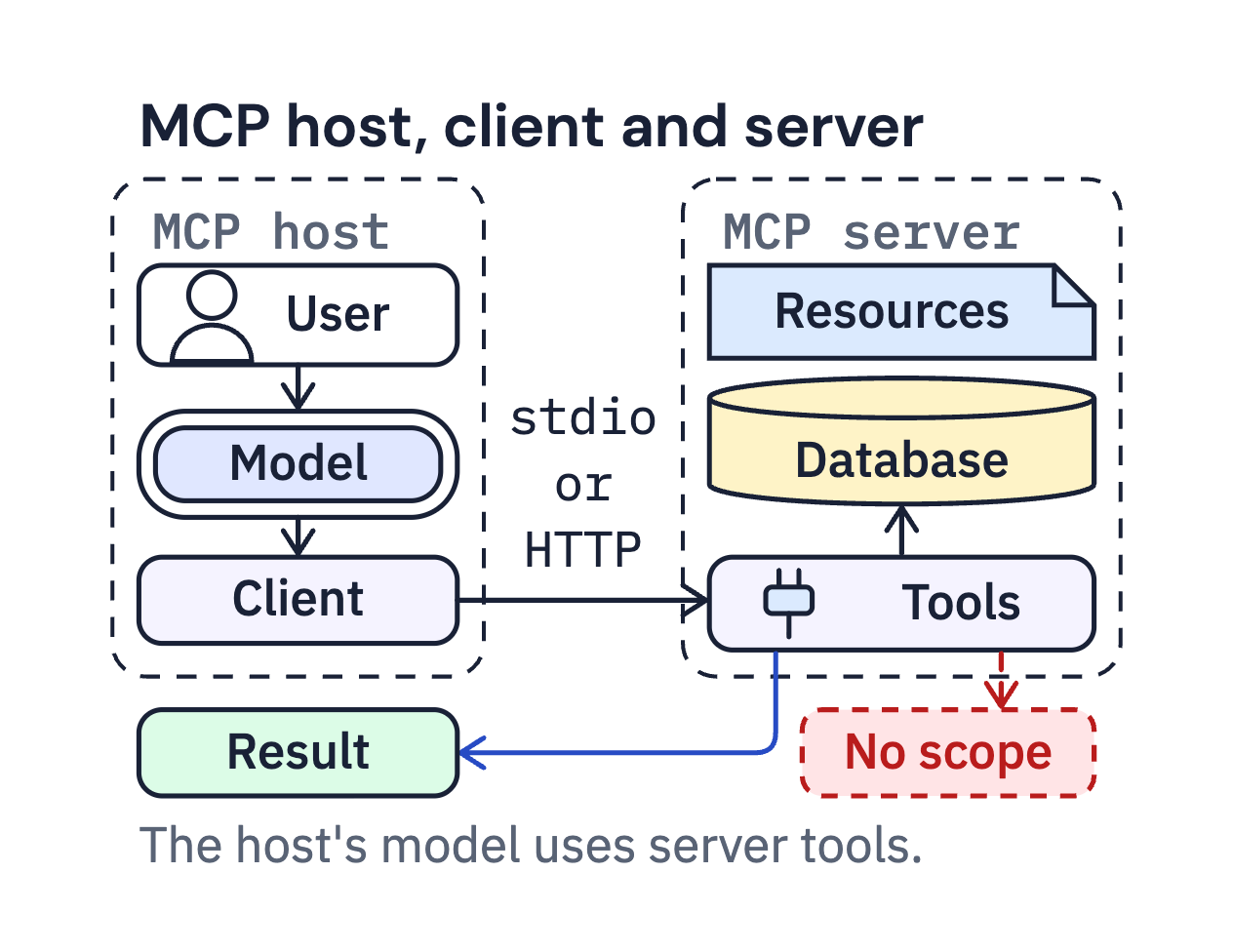
Implement MCP servers and clients, secure remote tool access, and build retrieval applications with ingestion, hybrid search, and source references.
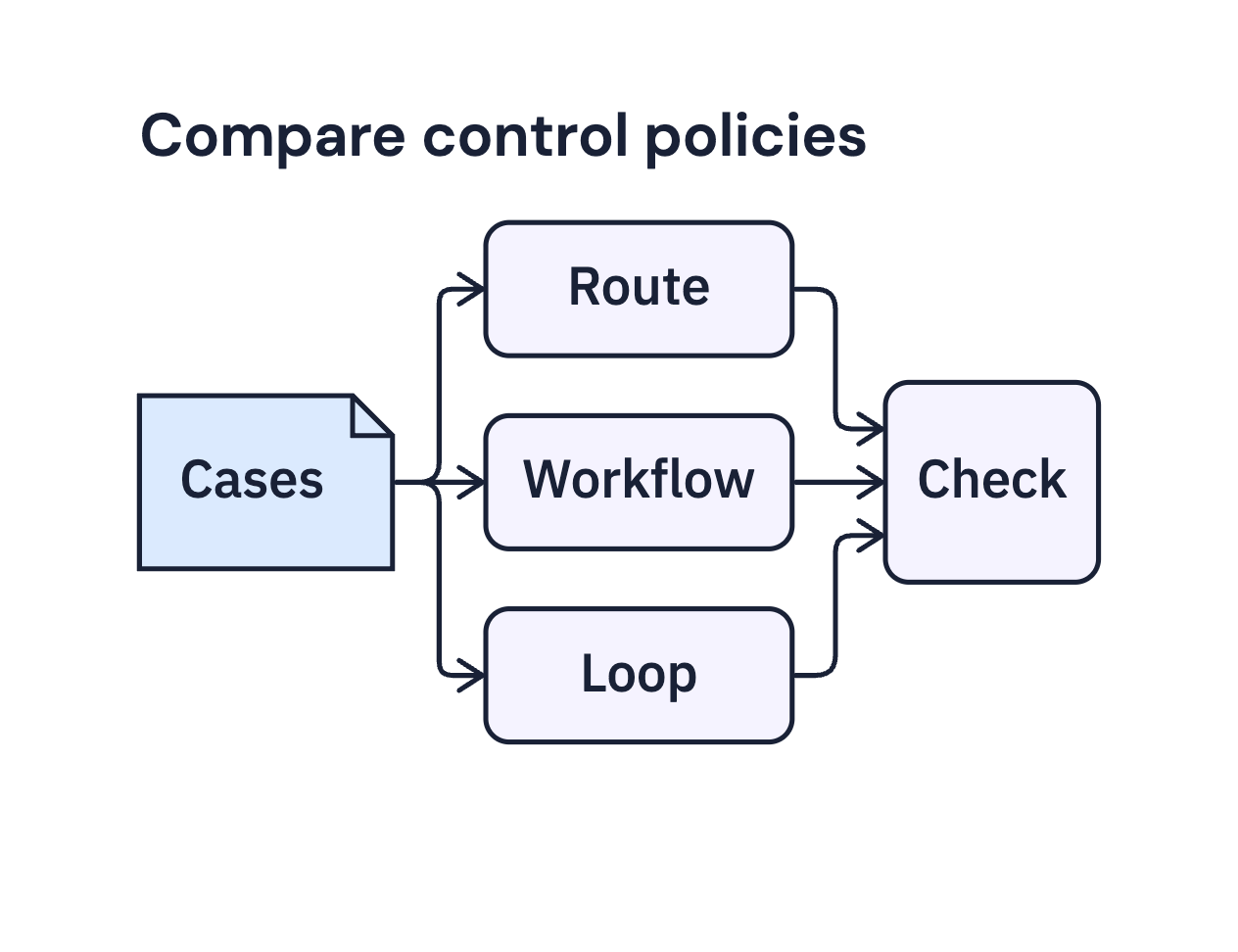
Compare control policies, bound model requests and tool actions, and maintain scoped memory with provenance, retention, and deletion rules.
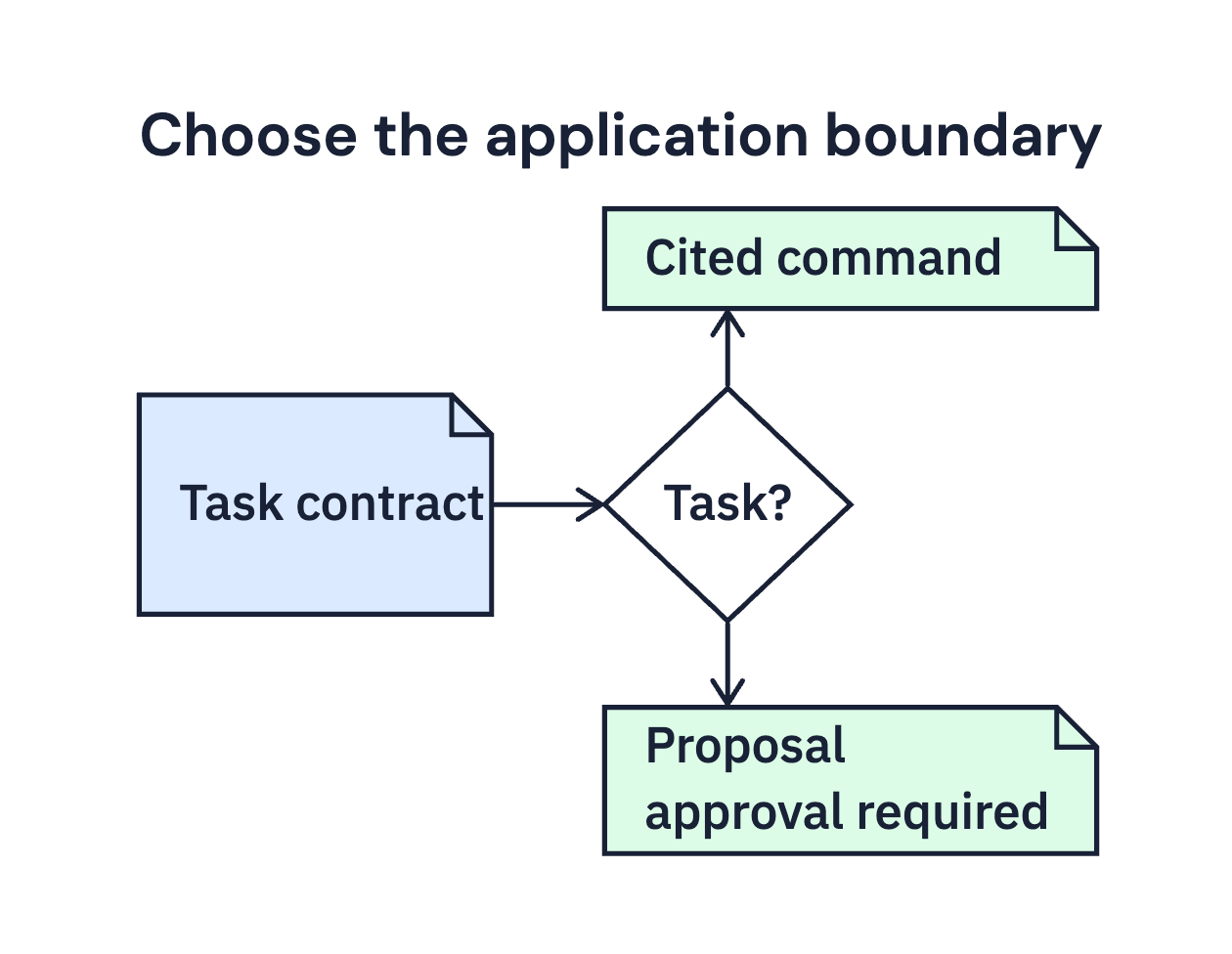
Choose an architecture against quality, latency, cost, and failure requirements. Test RAG and tool calls, then check changes for regressions.
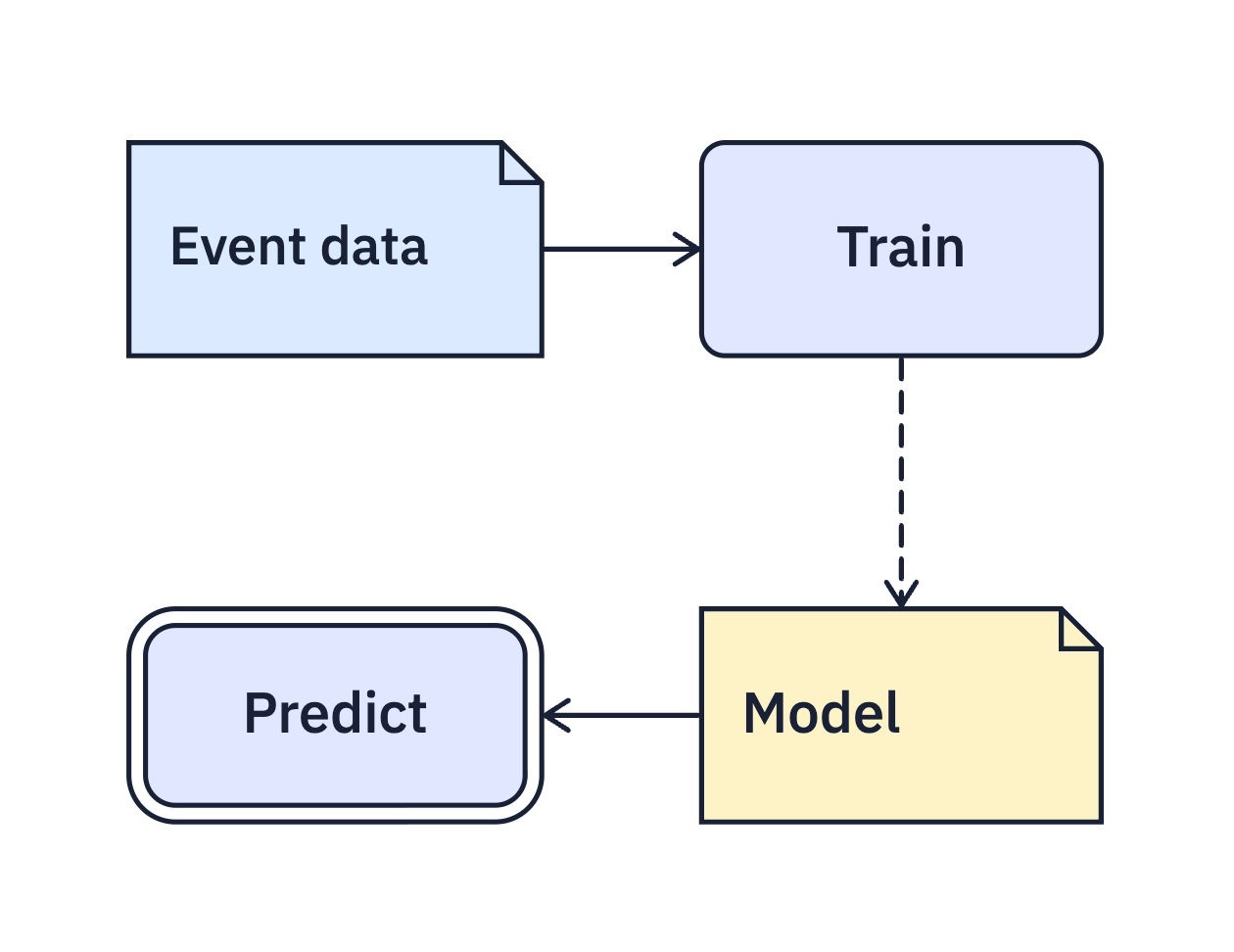
Build reproducible datasets and model artifacts, serve a classifier, and exercise release and monitoring controls locally.
The lessons connect explanations and diagrams to code you can inspect and run.
Start with AI Fundamentals if you are new to model calls and tools. Other courses state the Python, SQL, HTTP, or framework knowledge they expect.
Follow the setup and code in the lesson. Some examples run locally; others need a model API key or cloud service. Check each lesson’s requirements before starting.
Use examples and tests to examine outputs, failure cases, tool boundaries, retrieval quality, and release decisions. Evaluation is part of building the system.
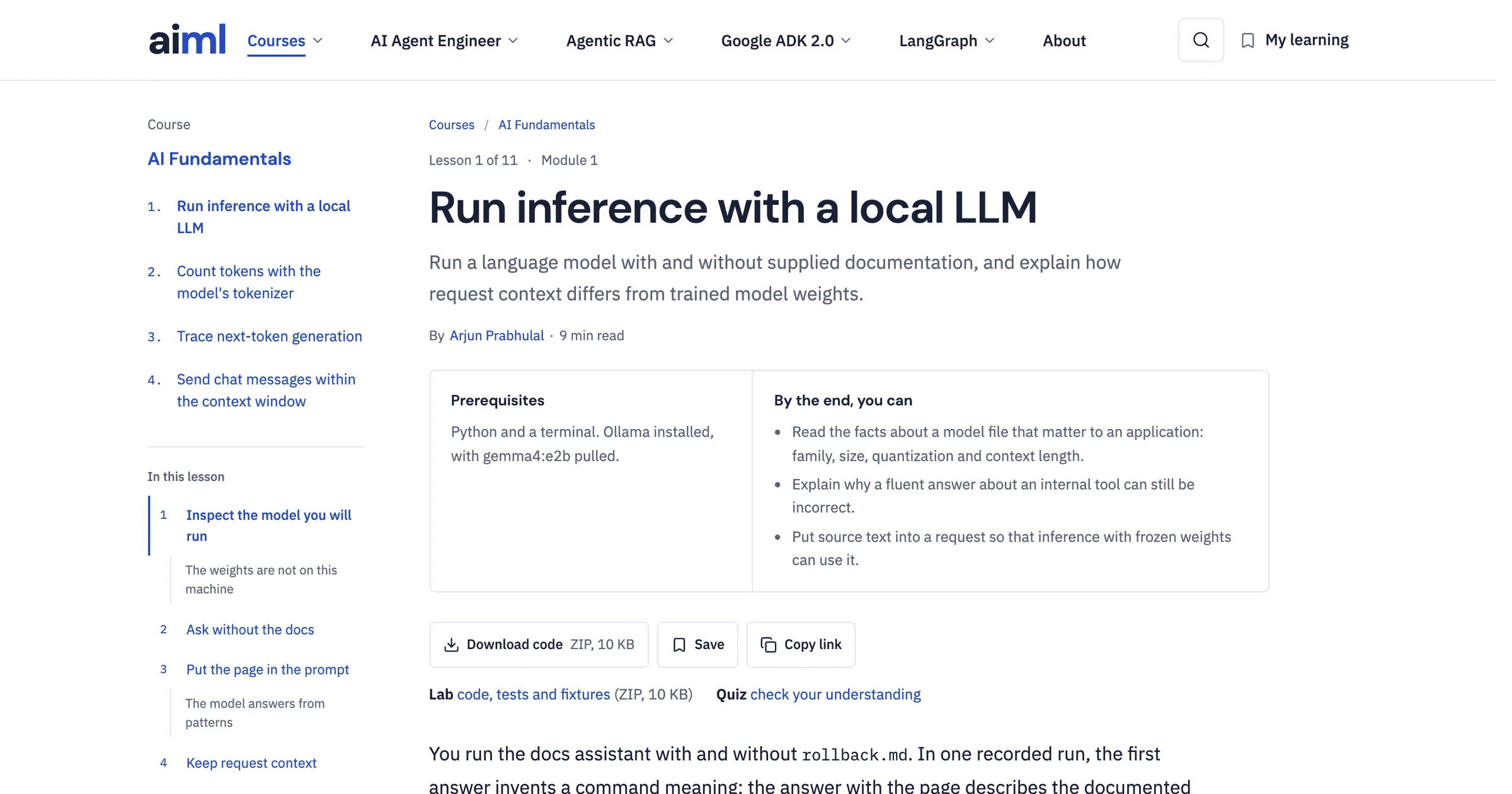
A real screen from the AI Fundamentals course: running inference with a local LLM.