 AI Fundamentals
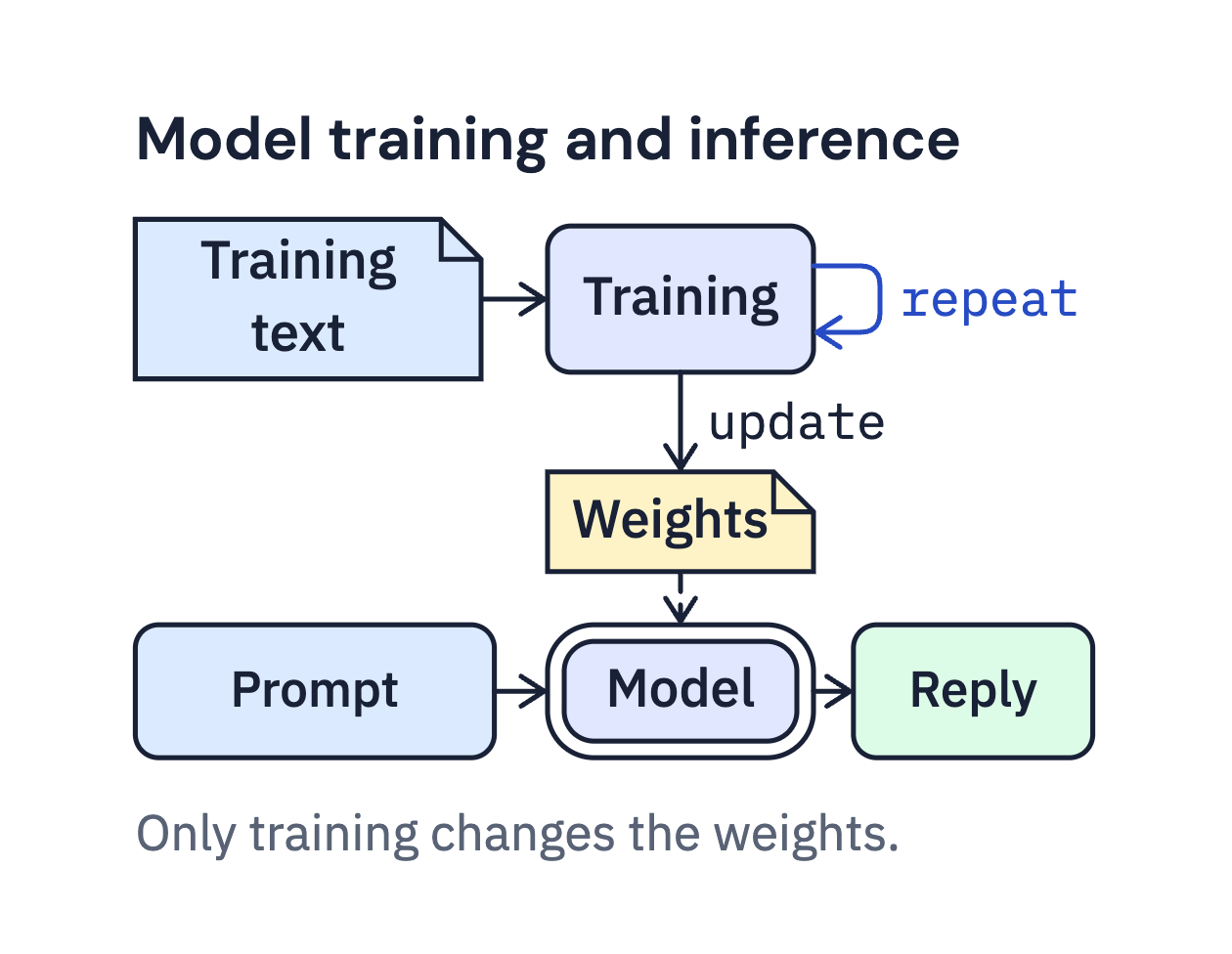
Build a docs assistant that sends model requests, uses context and calls tools.
Basic Python, a terminal and JSON. Local labs use Ollama; the hosted comparison also needs a Gemini API key.
 Model Context Protocol (MCP)
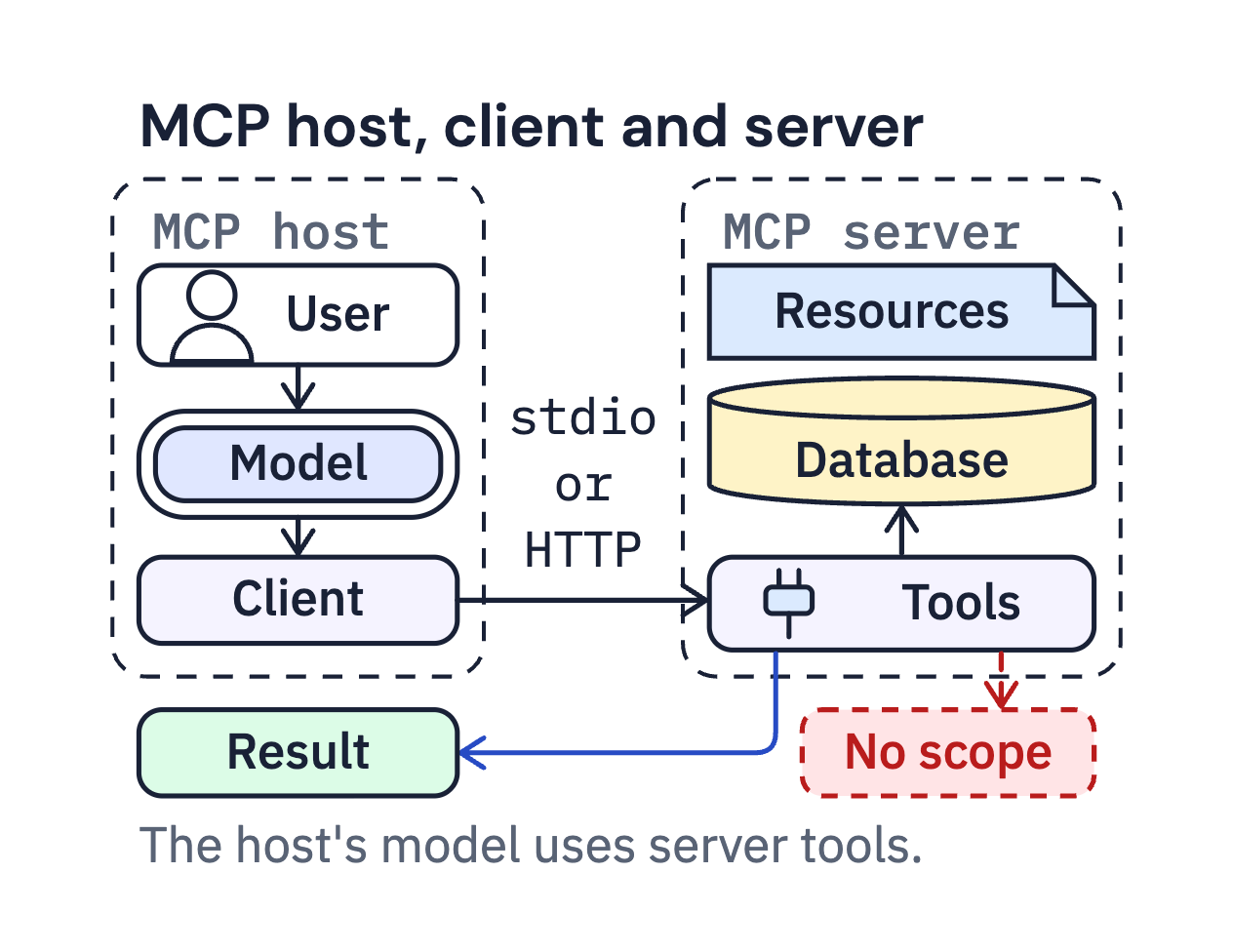
Build MCP servers and clients, then add authentication and database access.
Python 3.12 and async Python, and basic HTTP and SQL.
 Building Agents with Google ADK 2.0
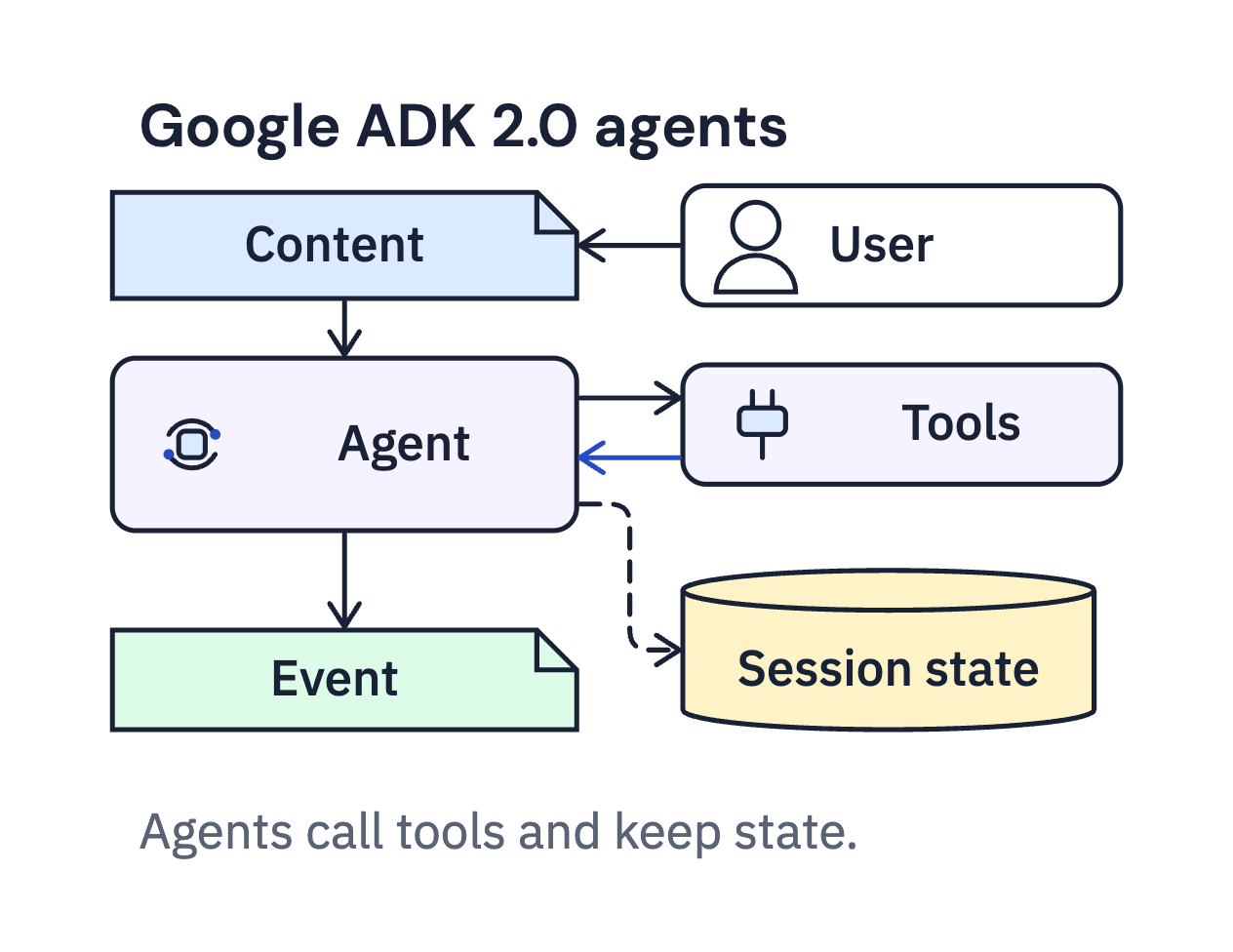
Build and test agents that call tools and follow workflows with Google ADK 2.0.
Python and HTTP APIs.
 Connecting Agents to Tools and Services with Google ADK 2.0
Connect ADK agents to search, databases and other agents.
Python, HTTP APIs, and ADK agents with tools (the Building Agents with Google ADK 2.0 course covers them).
 Running and Deploying Agents with Google ADK 2.0
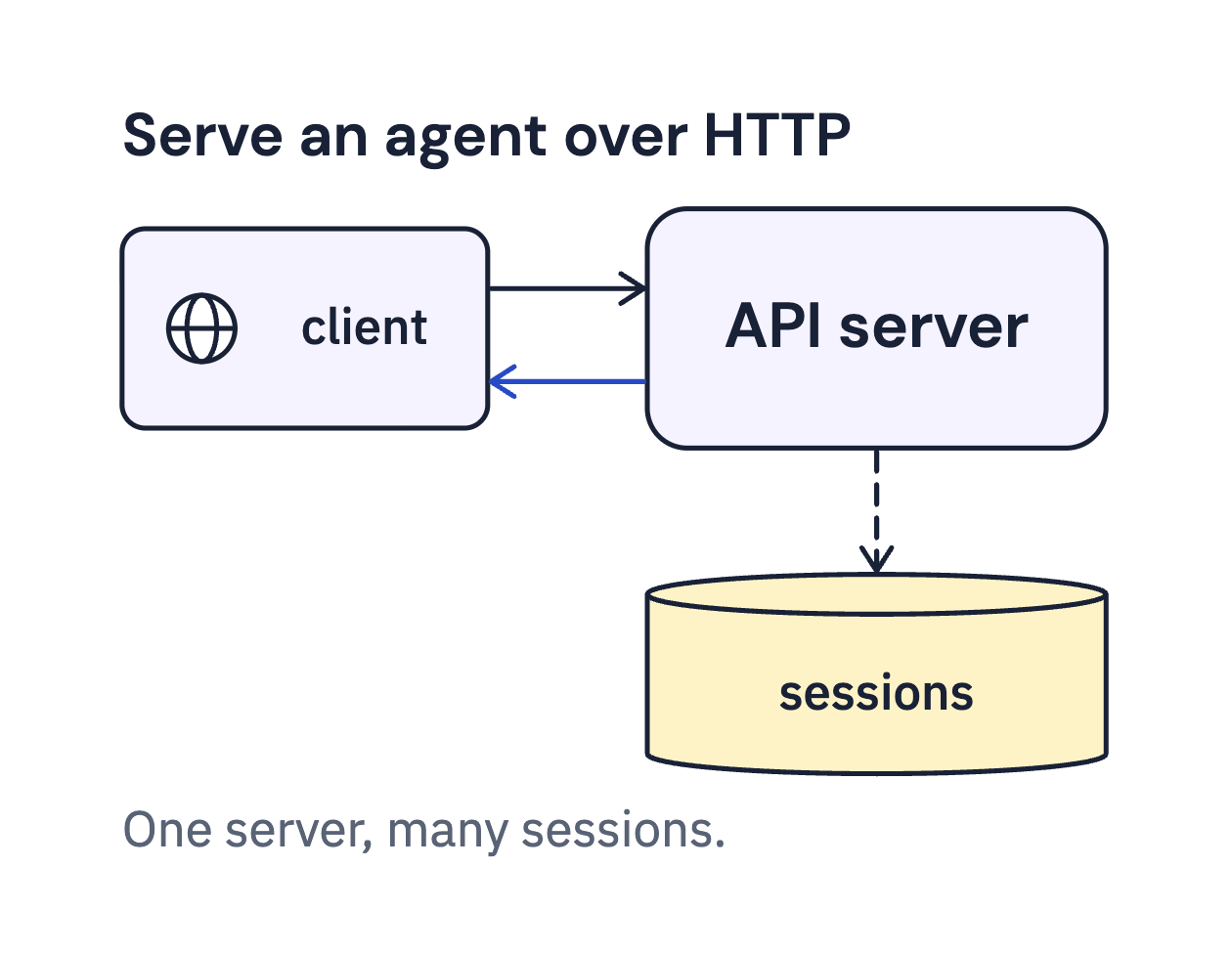
Serve, trace, evaluate and deploy ADK agents with runtime controls.
Python, HTTP and JSON, and the Building Agents with Google ADK 2.0 course.
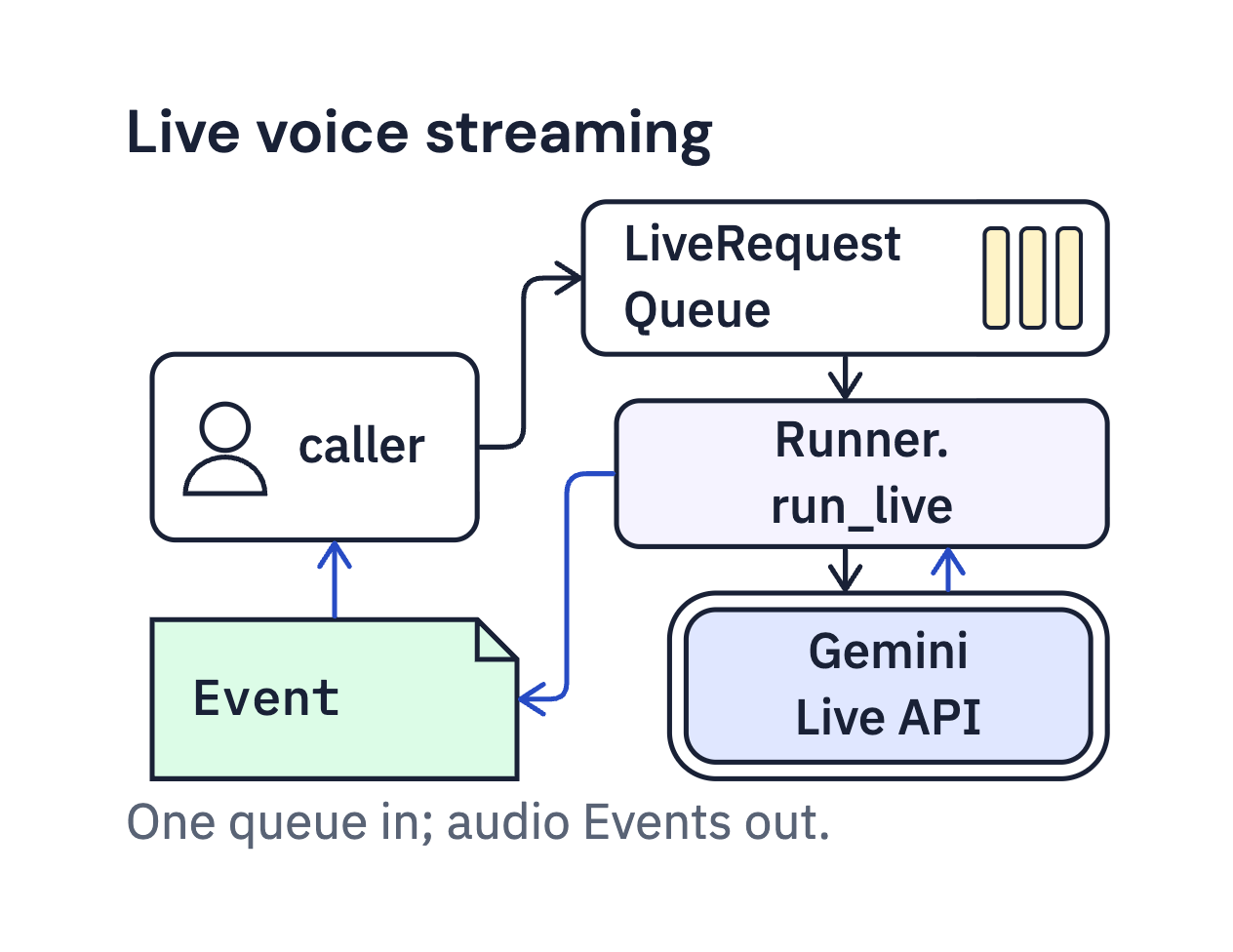
 Building Live and Voice Agents with Google ADK 2.0
Build live agents that stream voice and screen input over WebSockets.
Python async code and the Building Agents with Google ADK 2.0 course or equivalent ADK experience. Live runs need a Gemini Live API key; recorded replays do not.
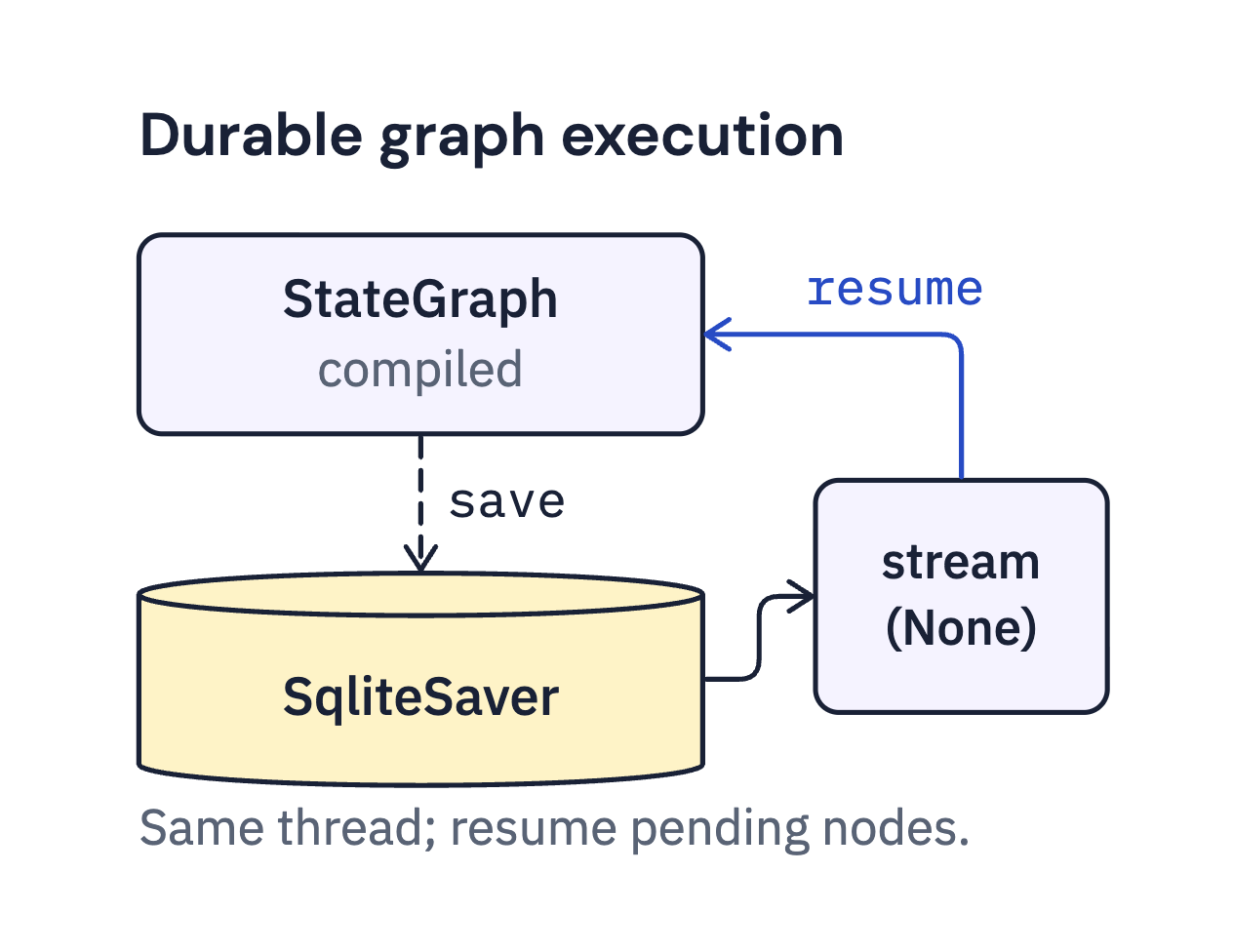
 Building Agents with LangGraph
Build code-review agents with tool calls, checkpoints, human approval and limits.
Python 3.12, async Python and pytest, and a Gemini API key (or Ollama with gemma4:e2b).
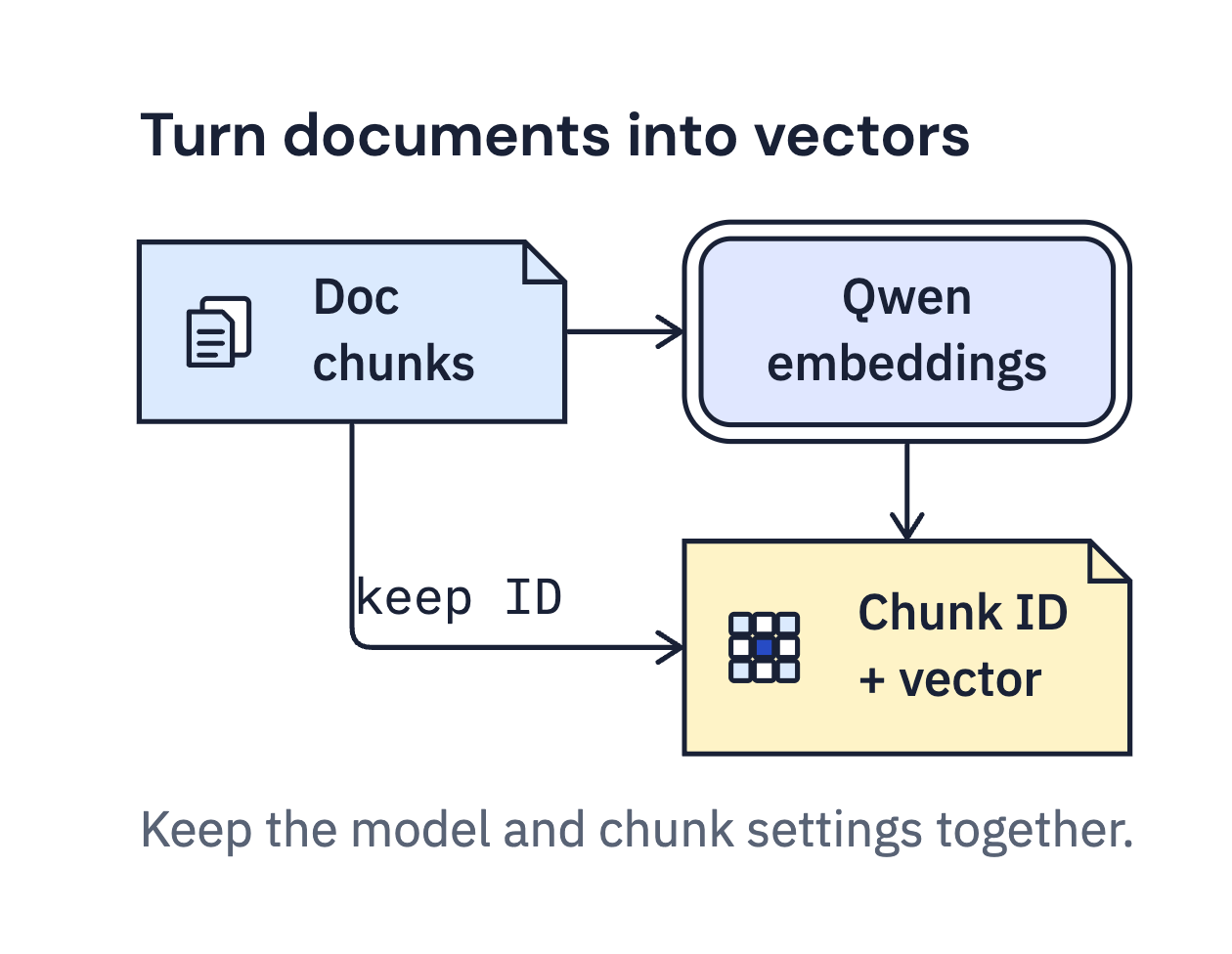
 Retrieval-Augmented Generation (RAG)
Build document and chart search with LangChain and pgvector, then check answer sources.
Python, JSON, basic SQL tables, embeddings and cosine similarity.
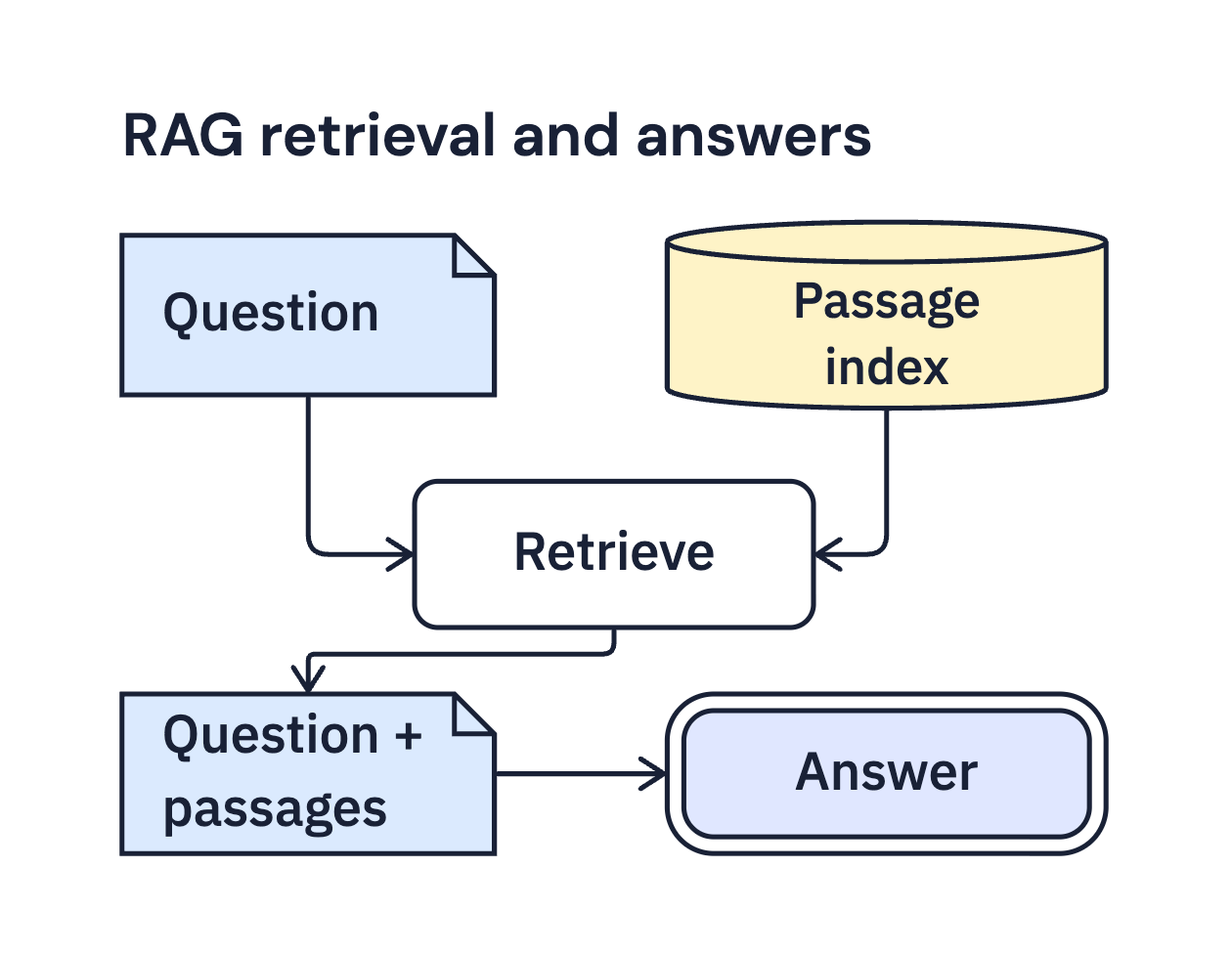
 Building Agentic RAG Applications
Build a documentation assistant with permitted, versioned sources, bounded search and answer evaluation.
Basic Python functions and JSON. Model requests and embeddings are introduced in the first module; review development and held-out splits before Module 2. Module 3 uses local UTF-8 fixtures and needs no model server.
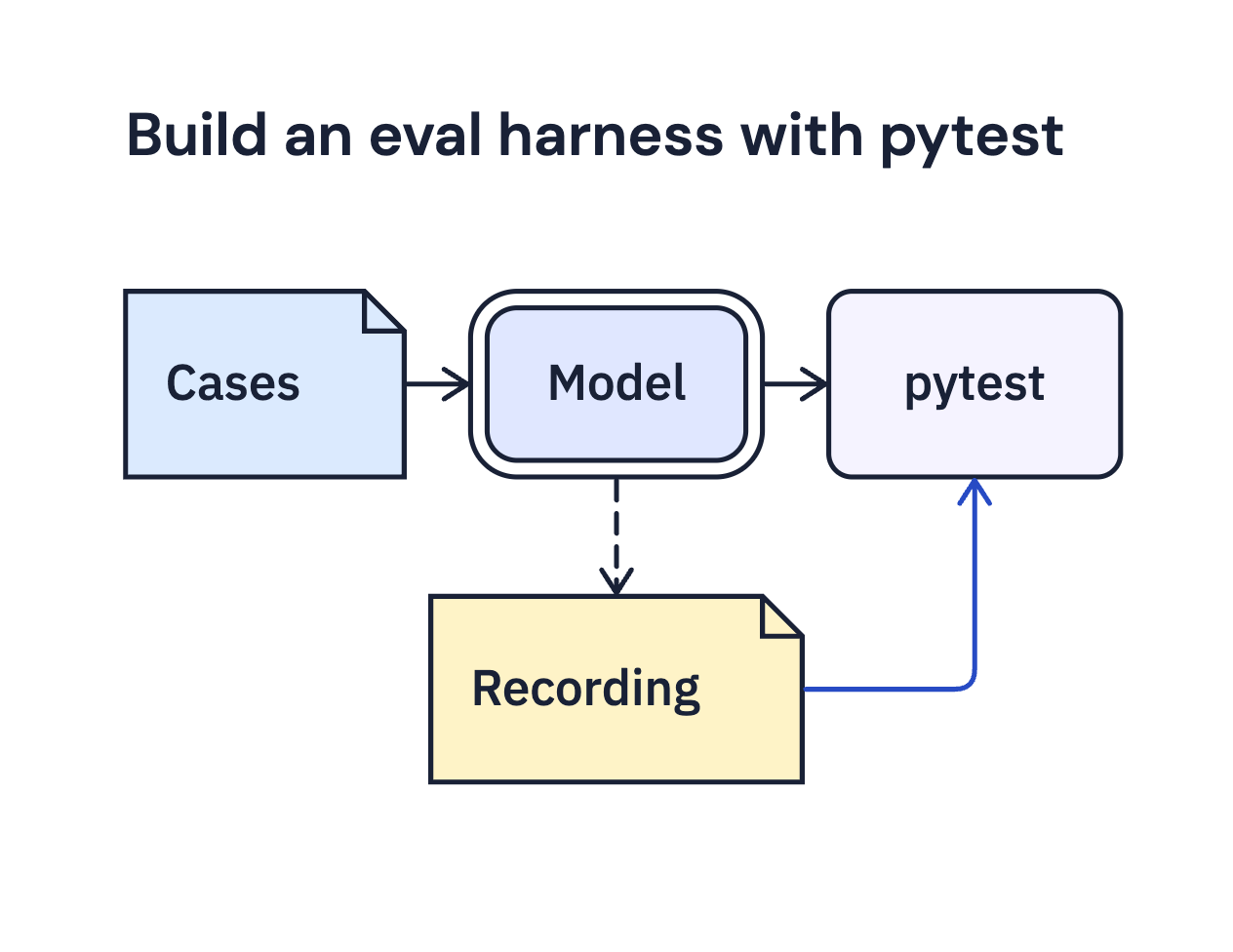
 LLM Evals
Test model answers, retrieval and tool calls. Catch regressions before release.
Python and pytest basics: test functions, assert and fixtures. Live runs use a Gemini API key or a local Ollama model; replaying the recorded runs needs neither.
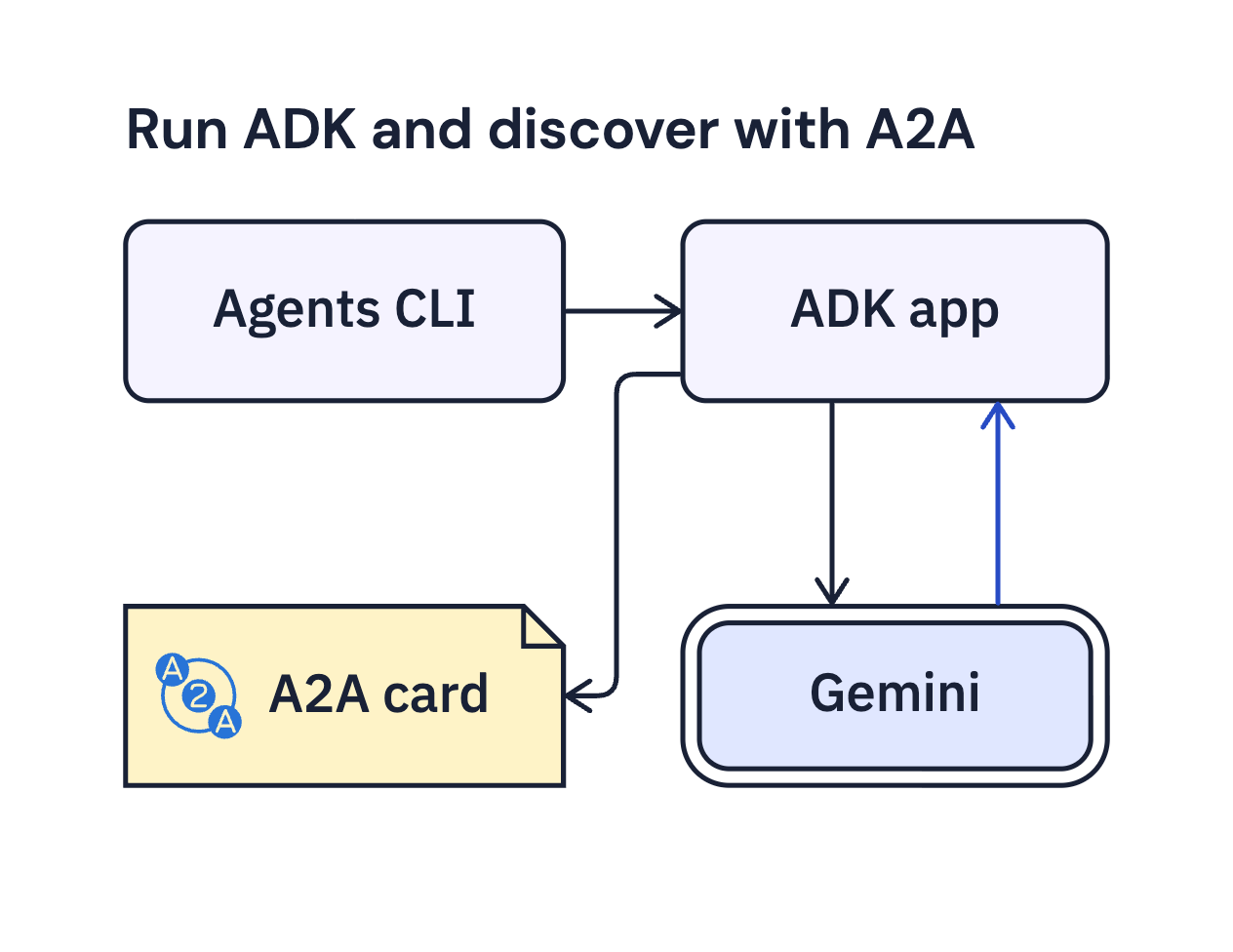
 Building, Evaluating, and Deploying Agents with Google Agents CLI
Create, test and deploy ADK projects with Google Agents CLI.
Python 3.12, a terminal, and basic familiarity with Google ADK agents (the Building Agents with Google ADK 2.0 course covers them).
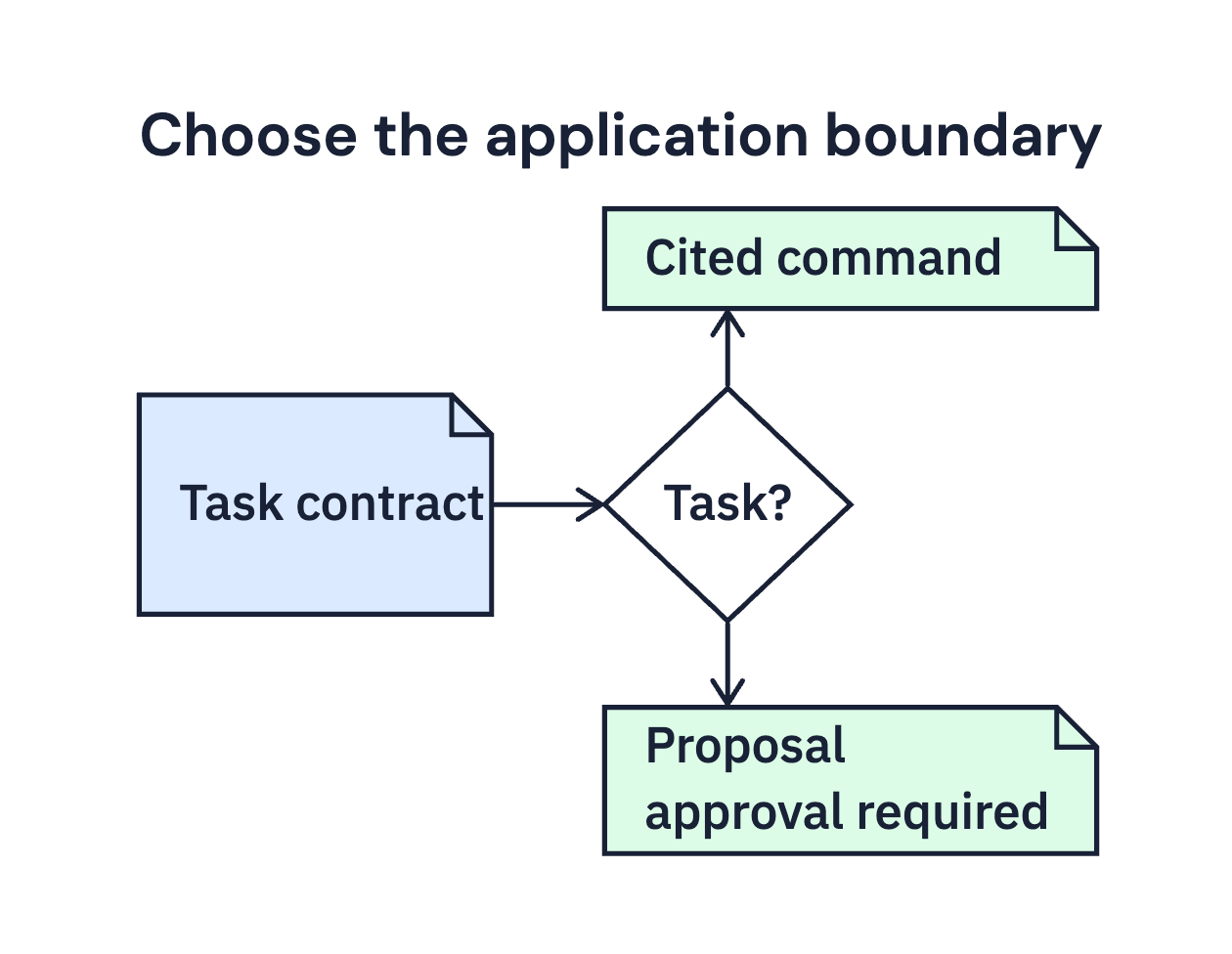
 Building AI Systems
Choose an AI system design, then measure and improve its quality, latency and cost.
Python, basic HTTP and JSON, and AI Fundamentals. The adaptation modules add introductory linear algebra and gradients.
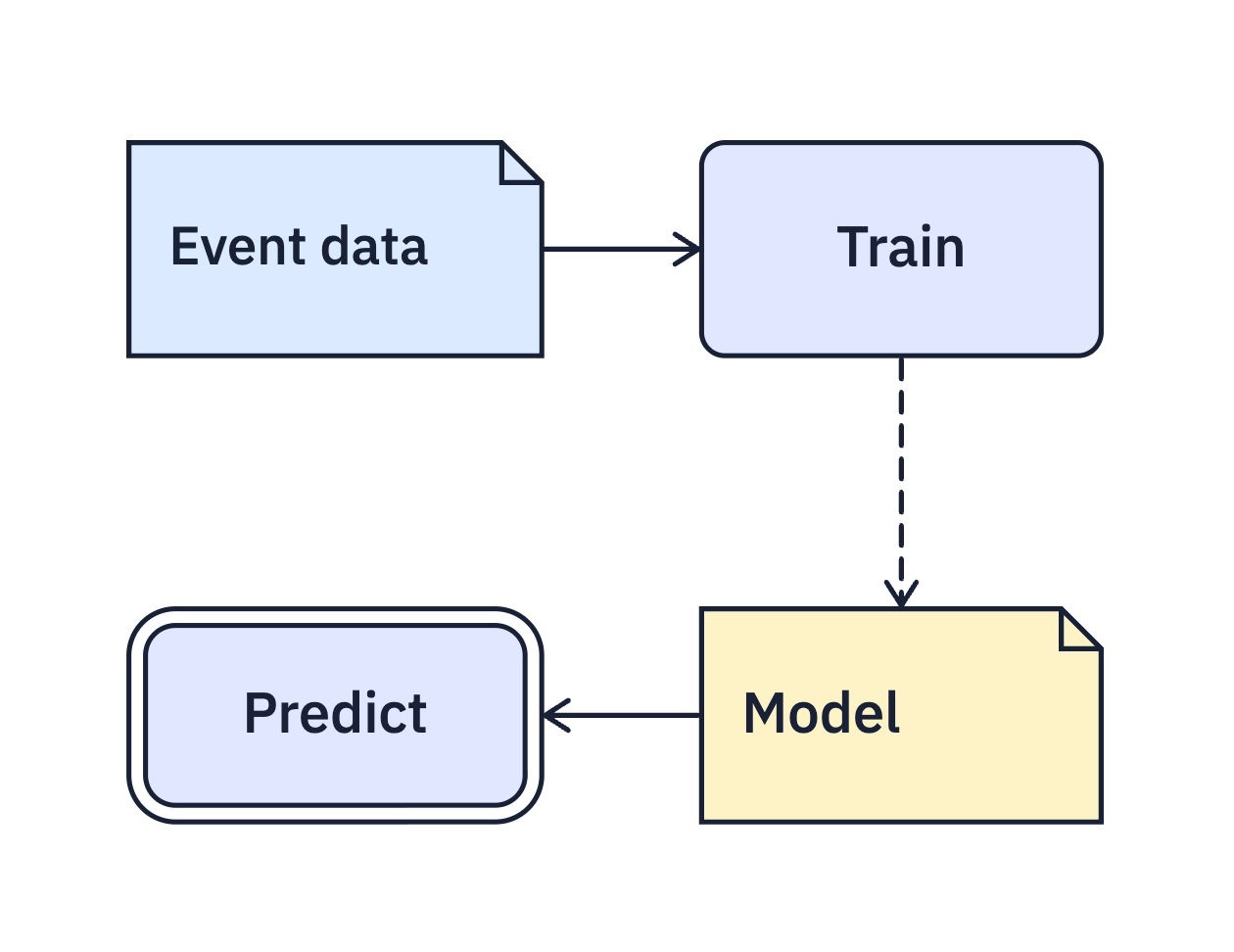
 Building MLOps
Train a user-return prediction model, release it and monitor its results.
Python, SQL, basic supervised learning and familiarity with training and validation datasets.
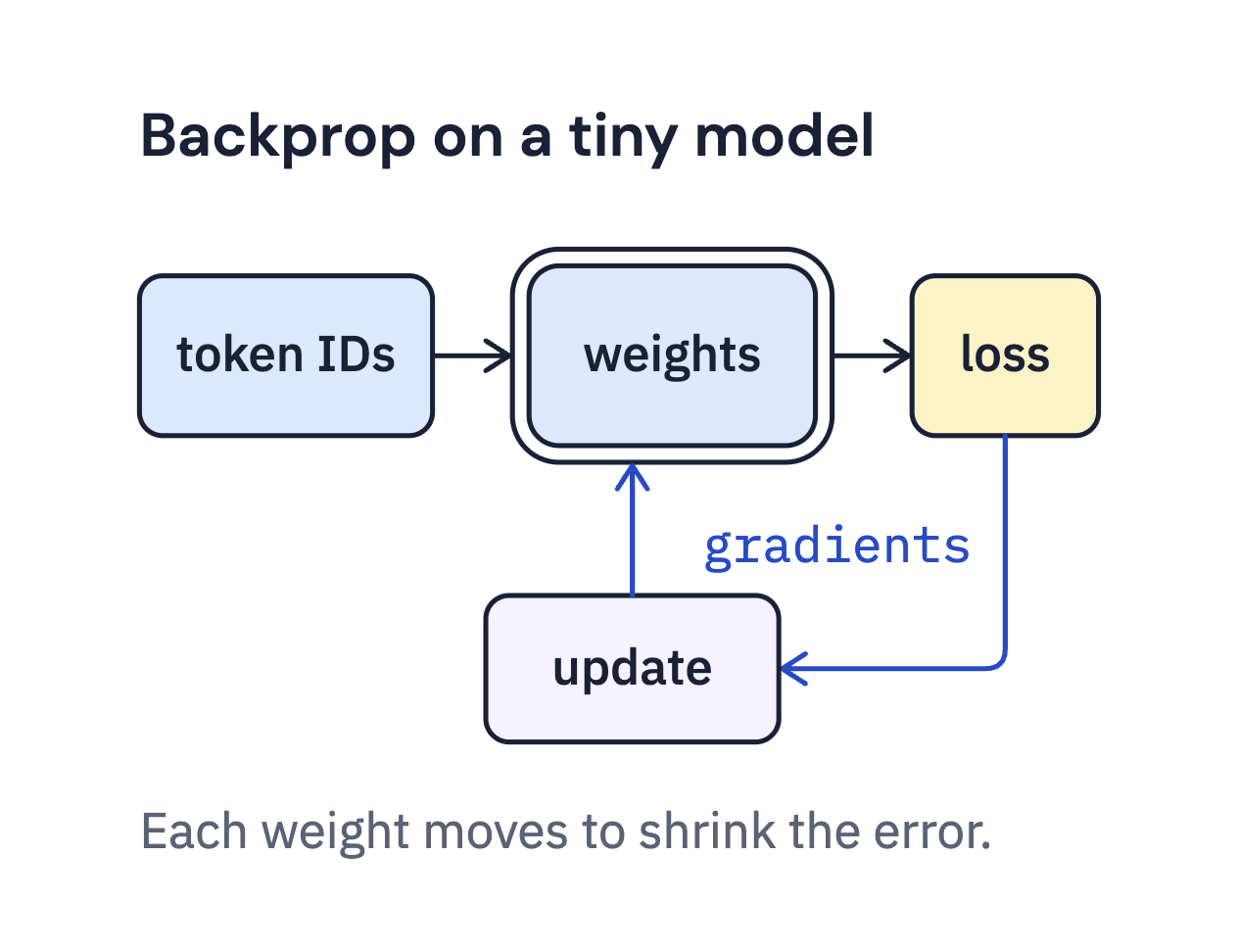
 Build a Small Language Model From Scratch
Build, train and inspect a small language model from scratch.
Python basics, elementary algebra and probabilities. The preparation guide below reviews the numerical ideas used in Lesson 1.
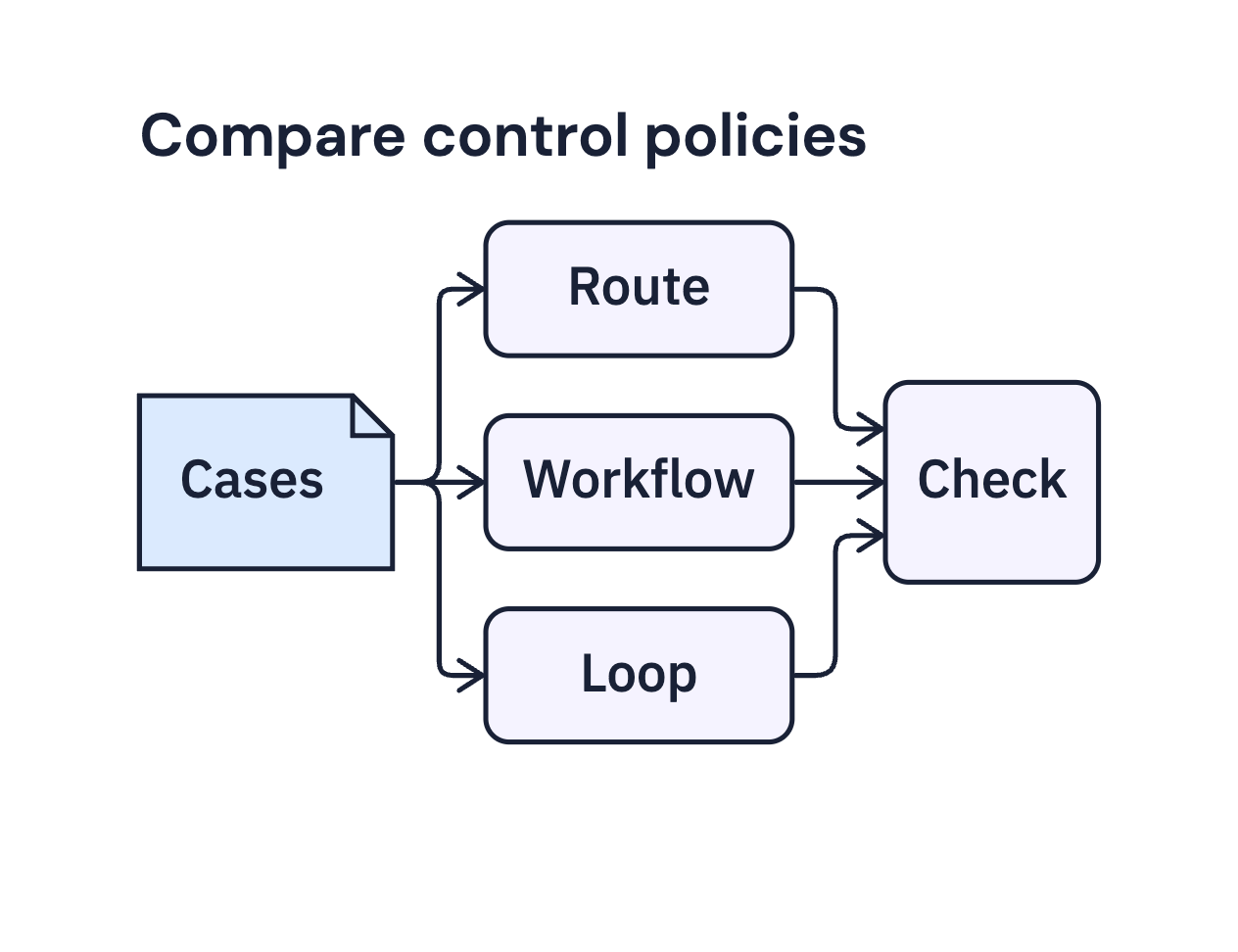
 Agent Design, Optimization and Harnesses
Build agent workflows with action limits and independent checks of their results.
A prior ADK or LangGraph course, tool contracts, retrieval and LLM Evals. These modules use those components rather than teach their introductions again.
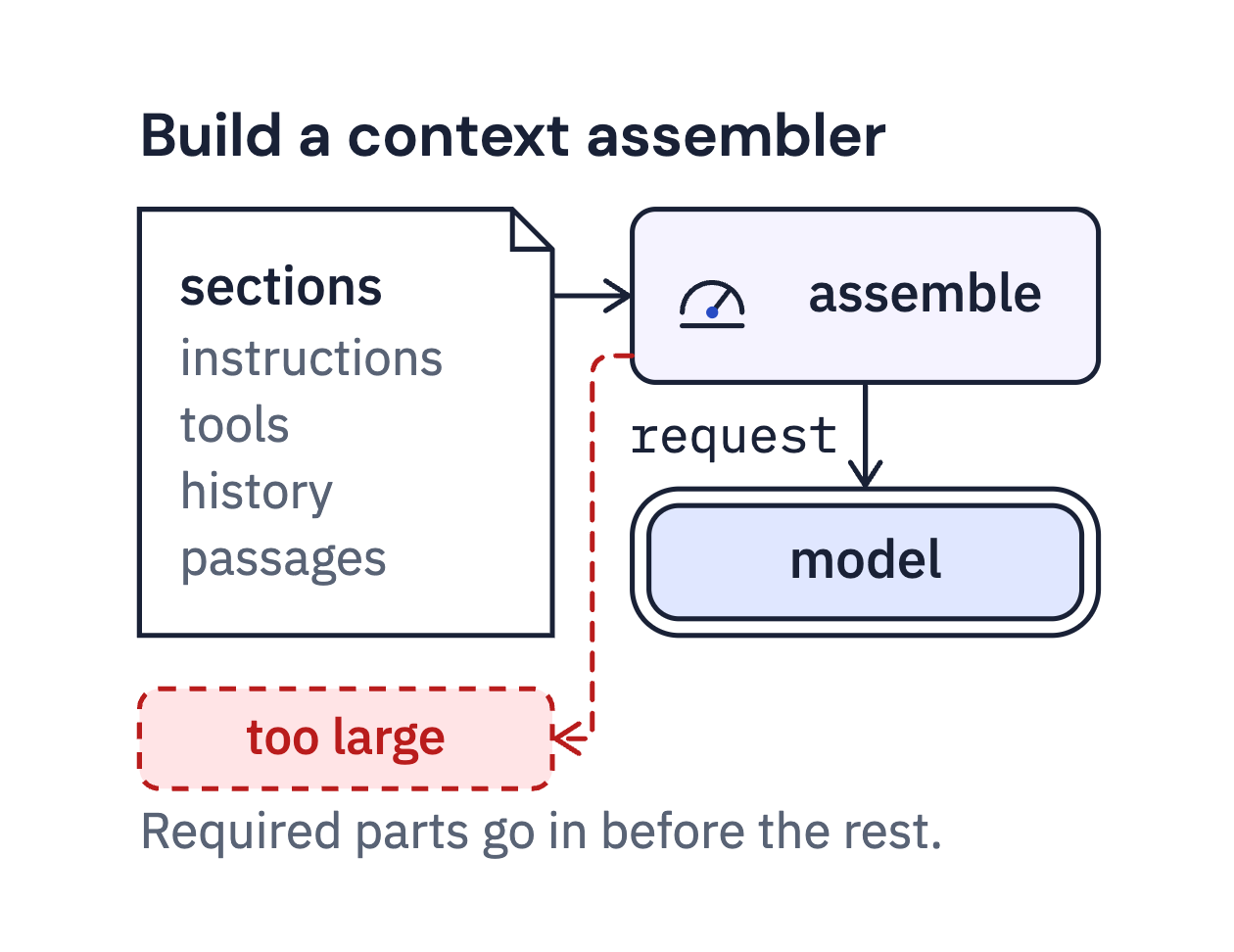
 Context and Memory Engineering for AI Agents
Assemble model requests within token limits and build memory with retention and deletion rules.
Python, JSON, the AI Fundamentals context-window lesson and the context budget manager (Trim history to a token budget in the LangGraph course). Token-counting labs require the pinned tokenizer and dependencies named in their READMEs; offline replay does not require model weights.
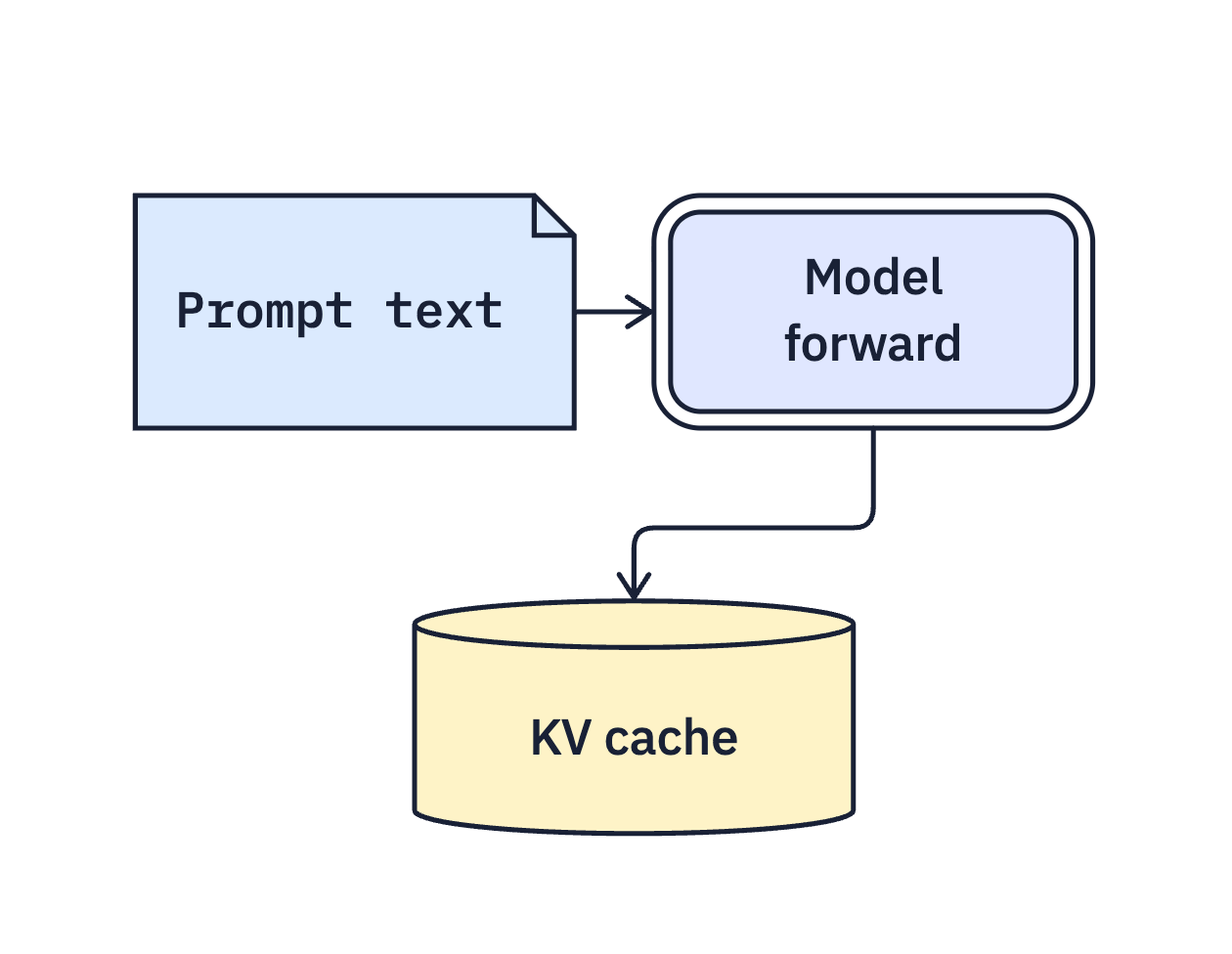
 LLM Inference Engineering
Build and measure inference components, including request handling, caching and scheduling.
Python functions, dataclasses, HTTP and JSON; basic causal attention. Offline labs run without a GPU. Live text experiments require the pinned model and runtime; Metal and CPU commands are identified separately.
No courses match. Try another term or clear the search.